
Zoomlion Concrete Batching Plants: High-End Automation & Sourcing Review
An independent engineering assessment of Zoomlion’s heavy-duty stationary and eco-friendly concrete mixing plants. Analyze their integration of CIFA European technology, plant automation limits, and global service footprints.
Introduction
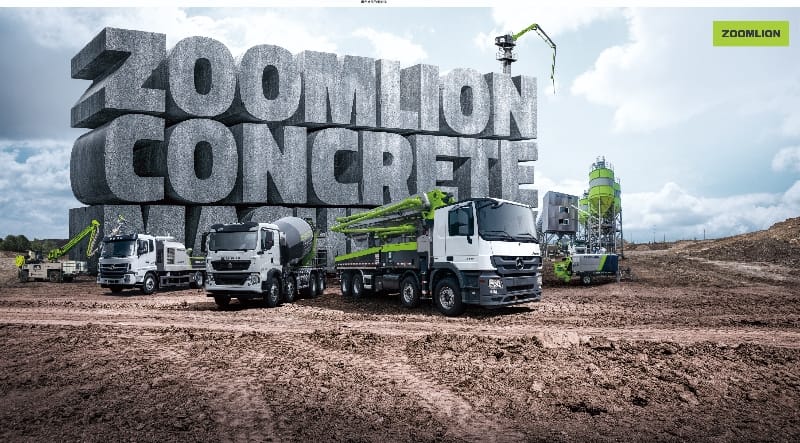
Zoomlion has evolved from a major Chinese construction equipment manufacturer into a globally recognized supplier of high-capacity concrete production systems. A significant factor in this transformation was its acquisition of CIFA, the Italian concrete machinery specialist known for advanced batching, mixing, and concrete delivery technologies. By combining European engineering standards with large-scale manufacturing capabilities, Zoomlion has positioned its HZS-series batching plants among the most competitive solutions for large ready-mix producers, infrastructure contractors, and industrial concrete suppliers.
Among Zoomlion's portfolio, the HZS180 and HZS240 central mixing plants represent the company's flagship solutions for high-volume concrete production. These systems emphasize automation, precision weighing, wear-resistant mixing components, and integrated process control. Their designs target applications requiring continuous production rates exceeding 180–240 m³/h while maintaining strict batching accuracy and concrete consistency.
This review examines Zoomlion's engineering approach, automation architecture, sourcing strategy, material technologies, operational characteristics, and maintenance requirements.
Corporate Background: The Strategic Importance of CIFA
The acquisition of CIFA provided Zoomlion with access to decades of European concrete production expertise.
CIFA's engineering strengths included:
- Advanced central-mix tower designs
- Precision aggregate weighing technologies
- Automated liquid admixture dosing systems
- High-efficiency twin-shaft mixers
- Concrete quality traceability software
- Modular plant architecture
The integration of these technologies accelerated Zoomlion's development of premium batching plants designed for international markets.
Key benefits resulting from the acquisition include:
| Technology Area | CIFA Contribution |
|---|---|
| Mixing Systems | Advanced twin-shaft mixer design |
| Process Control | European automation standards |
| Weighing Accuracy | High-resolution load-cell integration |
| Wear Resistance | Improved mixer metallurgy |
| Plant Layout | Compact tower configurations |
| Software | Batch management and reporting |
The result is a generation of batching plants capable of meeting demanding requirements for high-strength, self-compacting, and specialty concrete production.
HZS180 and HZS240: Central Mix Tower Architecture
Overview
The HZS180 and HZS240 plants utilize a central mixing tower configuration rather than a simple conveyor-based batching arrangement.
Typical production capacities:
| Model | Rated Capacity |
|---|---|
| HZS180 | 180 m³/h |
| HZS240 | 240 m³/h |
Actual production depends on:
- Aggregate moisture content
- Mix design complexity
- Admixture dosing requirements
- Truck dispatch efficiency
- Operator settings
Field output typically reaches:
- 160–180 m³/h for HZS180
- 210–240 m³/h for HZS240
under continuous operation.
Material Flow Design
The production sequence follows a gravity-assisted process.
Aggregate Storage Bins
         ↓
Aggregate Weighing Hopper
         ↓
Inclined Belt Conveyor
         ↓
Mixer Charging Hopper
         ↓
Twin-Shaft Mixer
         ↓
Concrete Discharge Hopper
         ↓
Transit Mixer Truck
Advantages include:
- Reduced energy consumption
- Lower transfer losses
- Improved batching accuracy
- Reduced segregation risk
- Faster cycle times
Aggregate Batching System
Aggregate Storage
Standard configurations include:
- 4-bin aggregate storage
- 5-bin aggregate storage
- 6-bin aggregate storage
Typical bin capacities:
| Bin Capacity | Range |
|---|---|
| Individual Bin | 15–30 m³ |
| Total Storage | 60–180 m³ |
Materials handled:
- Crushed stone
- River gravel
- Manufactured sand
- Natural sand
Maximum aggregate size:
≤ 60 mm
Recommended size:
5–40 mm
for optimal mixing performance.
Aggregate Scales
High-precision aggregate scales utilize multiple compression load cells.
Typical specifications:
| Parameter | Value |
|---|---|
| Accuracy | ±0.5% |
| Resolution | 1 kg |
| Capacity | 3,000–6,000 kg |
| Protection Rating | IP67 |
The weighing system automatically compensates for:
- Dynamic loading
- Material impact
- Hopper vibration
- Load-cell drift
Cement and Powder Handling
Cement Silos
Common silo capacities:
| Capacity |
|---|
| 100 t |
| 150 t |
| 200 t |
| 300 t |
Silos typically incorporate:
- Pressure relief valves
- Dust collectors
- High-level indicators
- Low-level indicators
- Air fluidization pads
Operating pressure:
20–50 kPa
during pneumatic filling.
Screw Conveyors
Cement transfer is achieved through tubular screw conveyors.
Typical specifications:
| Parameter | Value |
|---|---|
| Diameter | 219–323 mm |
| Capacity | 60–120 t/h |
| Motor Power | 11–22 kW |
| Inclination | ≤ 35° |
Proper maintenance of screw conveyor bearings is critical for preventing unplanned downtime.
High-Precision Liquid Admixture Weighing System
Importance of Admixture Accuracy
Modern concrete formulations depend heavily on chemical admixtures.
Common products include:
- Polycarboxylate superplasticizers
- Retarders
- Accelerators
- Air entrainers
- Shrinkage reducers
Small dosing errors can significantly affect:
- Slump
- Setting time
- Compressive strength
- Durability
Zoomlion Dosing Technology
One of Zoomlion's major strengths is its precision liquid weighing system.
The system typically includes:
Storage Tank
      ↓
Metering Pump
      ↓
Weighing Hopper
      ↓
Injection Valve
      ↓
Mixer
Equipment features:
- Dedicated weighing tanks
- Stainless-steel piping
- Solenoid-controlled injection valves
- Variable-frequency dosing pumps
- High-resolution load cells
Accuracy:
| Material | Accuracy |
|---|---|
| Water | ±1% |
| Admixture | ±0.5% |
| Cement | ±1% |
| Aggregate | ±2% |
Closed-Loop Control
The dosing system operates through a closed-loop feedback mechanism.
Control sequence:
- PLC receives target dosage.
- Metering pump starts.
- Load-cell feedback continuously updates weight.
- Flow rate slows near target.
- Injection stops automatically.
This minimizes:
- Overshoot
- Undershoot
- Chemical waste
- Mix inconsistency
Twin-Shaft Mixing Technology
Mixer Design
The HZS180 and HZS240 typically employ twin-shaft compulsory mixers.
Typical mixer capacities:
| Model | Mixer Capacity |
|---|---|
| HZS180 | 3.0 m³ |
| HZS240 | 4.0 m³ |
Motor configurations:
| Model | Power |
|---|---|
| HZS180 | 2 × 55–75 kW |
| HZS240 | 2 × 75–90 kW |
Mixing Vectors
Compared with planetary mixers, twin-shaft mixers generate stronger horizontal mixing vectors.
Planetary Mixing
Characteristics:
- Multiple rotational paths
- Excellent mortar uniformity
- Lower aggregate throughput
Best suited for:
- Precast concrete
- UHPC
- Architectural concrete
Twin-Shaft Mixing
Characteristics:
- High turbulence
- Strong aggregate circulation
- Faster discharge
Best suited for:
- Ready-mix production
- Infrastructure projects
- High-volume batching
The HZS180 and HZS240 are optimized for twin-shaft production environments.
Cr26 High-Hardness Alloy Wear Components
Why Cr26 Matters
Wear resistance is a major operating cost factor.
Zoomlion utilizes:
High-Chromium Cr26 Alloy Castings
for:
- Mixer liners
- Mixing arms
- Scrapers
- Discharge gates
Typical hardness:
HB 240–320
depending on heat treatment.
Performance Benefits
Compared with standard cast steel:
| Property | Standard Steel | Cr26 Alloy |
|---|---|---|
| Hardness | HB180–220 | HB240–320 |
| Wear Resistance | Moderate | Very High |
| Service Life | Baseline | 2–4× Longer |
This significantly reduces maintenance frequency in abrasive aggregate environments.
Pneumatic System Architecture
Pneumatic Loops
Zoomlion plants utilize extensive pneumatic control systems.
Components include:
- Butterfly valves
- Cylinder actuators
- Air preparation units
- Solenoid valves
- Pressure regulators
Operating pressure:
0.6–0.8 MPa
Butterfly Valve Applications
Butterfly valves control:
- Cement discharge
- Fly ash discharge
- Mineral powder transfer
Advantages:
- Fast actuation
- Low maintenance
- Compact design
- Reliable sealing
Automation and Process Control
PLC-Based Architecture
Modern HZS plants employ integrated PLC control systems.
Functions include:
- Recipe management
- Automatic batching
- Fault diagnosis
- Production reporting
- Inventory monitoring
The control system continuously monitors:
Aggregate Weight
Cement Weight
Water Weight
Admixture Weight
Mixing Time
Discharge Time
for every batch.
SCADA Integration
Advanced installations may incorporate SCADA systems.
Benefits:
- Remote monitoring
- Historical data analysis
- Maintenance planning
- Production optimization
Operators can monitor plant performance from:
- Control rooms
- Office networks
- Mobile devices
depending on system configuration.
Operational Guide
Startup Procedure
Step 1
Inspect:
- Aggregate bins
- Conveyor belts
- Mixer interior
- Air compressor
- Water system
Step 2
Verify pneumatic pressure:
0.6–0.8 MPa
Step 3
Check silo inventory levels.
Step 4
Perform weighing calibration verification.
Step 5
Run dry-cycle test.
Step 6
Begin production.
Common Troubleshooting Guide
Problem: Aggregate Weighing Error
Symptoms
- Batch rejection
- Weight alarms
- Inconsistent concrete quality
Causes
- Damaged load cells
- Material buildup
- Loose mounting hardware
Corrective Actions
- Clean scale frame
- Inspect load-cell wiring
- Recalibrate weighing system
Problem: Cement Feeding Instability
Symptoms
- Slow batching
- Weight fluctuations
Causes
- Screw conveyor blockage
- Moist cement
- Butterfly valve malfunction
Corrective Actions
- Clean screw conveyor
- Inspect silo aeration pads
- Check pneumatic actuator
Problem: Admixture Dosing Inaccuracy
Symptoms
- Slump variation
- Strength inconsistency
Causes
- Flowmeter drift
- Pump wear
- Sensor failure
Corrective Actions
- Recalibrate load cells
- Replace pump seals
- Verify PLC parameters
Problem: Mixer Overload
Symptoms
- High motor current
- Slow mixing
- Vibration increase
Causes
- Excess aggregate
- Worn mixing arms
- Bearing damage
Corrective Actions
- Verify recipe limits
- Replace worn components
- Inspect gearbox and bearings
Maintenance Schedule
Daily
- Clean mixer
- Check lubrication
- Inspect air pressure
- Remove concrete buildup
Weekly
- Inspect screw conveyors
- Check belt tracking
- Test sensors
Monthly
- Inspect Cr26 wear liners
- Verify load-cell calibration
- Check gearbox oil
Quarterly
- Inspect pneumatic loops
- Test safety interlocks
- Verify SCADA communication
Annual
- Complete calibration
- Bearing inspection
- Structural inspection
- Electrical system audit
Sourcing Evaluation
Strengths
Zoomlion's sourcing strategy combines:
- European engineering expertise
- Chinese manufacturing efficiency
- Global component procurement
Key premium components often include:
- Siemens PLCs
- Schneider electrical systems
- High-chromium wear parts
- Precision load cells
- Industrial-grade pneumatic hardware
This combination delivers strong value in large-scale ready-mix operations.
Conclusion
Zoomlion's HZS180 and HZS240 batching plants represent a mature combination of European concrete technology and high-volume industrial manufacturing. The integration of CIFA engineering expertise has significantly enhanced plant automation, admixture dosing accuracy, and overall production reliability. High-precision liquid admixture weighing systems, robust PLC-based control architecture, and wear-resistant Cr26 alloy mixer components make these plants particularly suitable for demanding ready-mix applications where consistent concrete quality and high throughput are essential.
For producers targeting sustained outputs of 180–240 m³/h, especially in infrastructure, commercial construction, and metropolitan ready-mix markets, Zoomlion's central mix tower architecture offers a compelling balance of automation, durability, operational efficiency, and long-term lifecycle value.