
Cone Crusher Mechanical Failure: Troubleshooting Lubrication Oil Temperature Spikes
A hydraulic cone crusher depends on stable lubrication to protect bushings, thrust plates, and liners. Oil above 60°C loses viscosity, thinning the hydrodynamic film, causing friction, wear, and possible eccentric shaft seizure. Monitoring oil temperature and flow prevents downtime and damage.
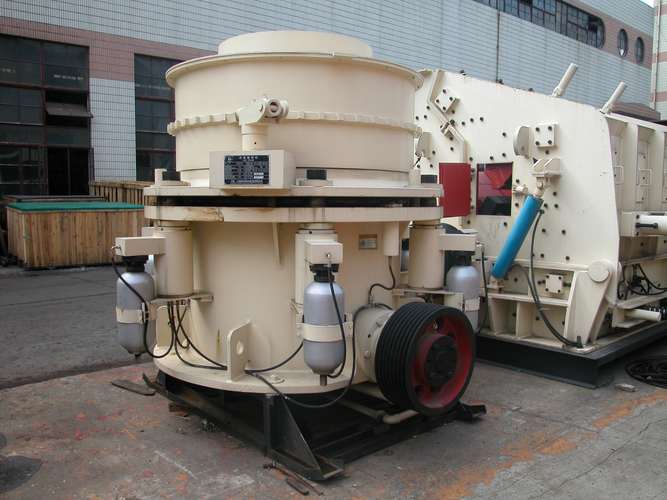
Metrological Overview & Tribological Risks
In high-capacity aggregate reduction and mining comminution circuits, the operational uptime of a hydraulic cone crusher is heavily dictated by the thermodynamic stability of its centralized lubrication oil loop. Operating under extreme compressive stress vectors and crushing loads, the crusher's internal components—specifically the eccentric copper bushings, upper/lower thrust plates, and socket liners—rely on a continuous, pressurized hydrodynamic oil film to separate metal-on-metal sliding surfaces.
An unmanaged lubrication oil temperature spike (breaching standard operating limits) is a critical mechanical failure indicator. When oil temperatures exceed 60°C, the fluid's kinematic viscosity drops sharply, causing oil film thin-out.
This loss of hydrodynamic lift triggers rapid boundary friction, localized metallurgic micro-welding, and thermal expansion of the bronze bushings. If the automation circuit's safety interlocks fail to trigger an immediate emergency motor trip, the machine will experience a catastrophic eccentric shaft seizure, causing tens of thousands of dollars in asset degradation and site downtime.
This engineering diagnostic manual isolates the thermodynamic root causes of fluid overheating, establishes strict operating boundaries, and provides a structured mechanical checklist to resolve lubrication loop thermal failures.
The 4 Primary Root Causes of Fluid Thermal Spikes
When the digital SCADA monitor at the plant control desk logs an alarm showing lubrication return oil temperatures creeping past maximum thresholds, field maintenance crews must immediately cross-examine four distinct mechanical sub-systems.

1. Inadequate Bushing Clearance and Radial Loading Fatigue
New or freshly swapped eccentric copper bushings require a precise geometric clearance envelope (typically 0.5 mm to 1.5 mm depending on the crusher's head size). If a local machine shop fabricates a replacement sleeve with tight tolerances, or if the crusher is operated continuously under an un-choked cavity profile—causing severe tracking imbalances and un-symmetric radial forces—the localized friction shear inside the eccentric assembly sky-rockets. The excessive kinetic friction immediately overpowers the cooling capacity of the oil loop.
2. Cooling Core Air-Fin Caking or Water-Jacket Scaling
The centralized lubrication power pack relies on either an air-blast radiator or a water-cooled tube-and-shell heat exchanger to strip heat from the return oil reservoir.
- Air-Cooled Systems: In harsh quarry crushing environments, fine airborne stone dust combines with migrating grease vapors to form a dense insulating crust over the external aluminum cooling fins, dropping thermal exchange efficiency to near zero.
- Water-Cooled Systems: Hard water loops introduce rapid calcium carbonate scaling along the inner diameter of the copper cooling tubes, acting as a thermal barrier that traps heat inside the oil flow.
3. Volumetric Flow Starvation (Pump Cavitation & Filter Drops)
High oil temperatures are often caused by the fluid moving too slowly through the internal crushing cavities. If the dual gear pumps inside the lubrication pack experience internal gear-tooth blow-by or pull in air through a loose suction flange gasket, the volumetric flow rate (GPM/LPM) sinks. Slow oil picks up far more heat per second as it passes through the eccentric shaft, driving up return line temperatures.
4. Incorrect Lubrication Fluid Viscosity Selection
Operating a heavy-duty mining crusher requires strict alignment with ambient seasonal temperature parameters. Running a light ISO VG 68 fluid in hot tropical zones (exceeding 38°C ambient air) rather than standard ISO VG 150 or EP 150 industrial gear oil leads to immediate thermal thinning. The oil lacks the film strength to withstand the high crushing impacts, triggering mechanical boundary shear.
Metrological Specifications & Operating Fluid Boundaries
The tribological matrix below outlines the strict physical boundaries and hydraulic pressure parameters required to stabilize a heavy mining cone crusher lubrication network.
| Metrological Parameter / Node | Standard Operating Boundary | Critical Emergency Trip Threshold | Precision Measurement Device |
|---|---|---|---|
| Lubricator Tank Supply Temp | 38°C to 45°C (Optimal Duty) | < 15°C (Flow Starvation) | PT100 Resistance Thermometer |
| Lubricator Return Oil Temp | 48°C to 55°C | > 60°C (Automation Alarm / Trip) | Digital Inline Thermal Sensor |
| Main Lubrication Pump Pressure | 0.15 MPa to 0.35 MPa (1.5-3.5 bar) | < 0.10 MPa (Low Pressure Trip) | Glycerin-Damped Pressure Gauge |
| Oil Filter Differential Drop | ≤ 0.05 MPa (0.5 bar) | > 0.12 MPa (Filter Bypass Opened) | Differential Pressure Transducer |
| Minimum Oil Volumetric Flow | Model Dependent (e.g., 90-120 LPM) | < 65 LPM (Volumetric Starvation) | Inline Turbine Flow Meter |
Step-by-Step Emergency Diagnostic & Remediation Sequence
If the PLC automation desk registers a consecutive 60°C oil temperature alarm while the crusher is processing heavy basalt or granite, execute this structured engineering diagnostic path immediately.
Step 1: Isolate Material Feed & Verify Volumetric Flow Lines
Do not shut down the crusher main motor immediately if the cavity is filled with rock, as starting a loaded crusher requires massive torque. Stop the aggregate feed conveyor belt immediately. Let the crusher run empty for 60 seconds to completely clear all material out of the crushing chamber, then execute safe Lockout-Tagout (LOTO) procedures on the main motor. Keep the lubrication oil pump running to allow fluid movement to cool the internal bearings evenly and prevent bushing freeze-up.
Step 2: Measure Filter Differential and Check the Summing Screen
Head to the lubrication skid. Read the differential pressure gauge across the dual-element inline filters.
- Diagnostic Inference: If the differential pressure exceeds 0.12 MPa, the filter elements are completely blinded with microscopic bronze wear flakes or dust ingress. This has forced the system into safety bypass mode, looping un-filtered, hot oil straight back to the crusher. Swap the dual-handle diverter valve to the clean filter chamber immediately, dump the dirty elements, and inspect the lower tank magnetic suction screen for structural copper flakes (which indicate a failing eccentric bushing).
Step 3: Execute Thermal Core Cleaning Remediation
Inspect the radiator blast fan or the shell-and-tube cooling block:
- For Air-Blast Radiators: Check if the electric fan motor is spinning in the correct directional orientation. Use a portable air lance or a high-pressure pressure washer to blast clean the aluminum fins from the inside out, completely stripping away packed aggregate dust blocks.
- For Water Coolers: Verify the water circulation pump pressure. If the inlet and outlet water temperature differential is under 3°C, the inner core is scaled. Flush the inner tube array with a certified industrial descaling solvent to strip away hard mineral deposits.

Step 4: Calibrate and Realign the Countershaft End-Play Spacing
If the oil temperature continues to climb after cooling core remediation, the issue is structural misalignment. Unbolt the countershaft housing. Use a precision dial indicator to measure the shaft's axial end-play.
- Engineering Correction: If the countershaft end-play has slipped below 0.8 mm due to wear on the inner thrust washers, the pinion gear will mesh too tightly with the main ring gear, generating high frictional heat that travels straight down the oil lines. Reset the gear backlash parameters using precision steel shims to return the assembly back to exact factory blueprints.
Request Technical Blueprints & Factory Quotes
Submit your machinery parameters below. Connect directly with verified, certified heavy industrial manufacturers to receive custom foundation drawings, layout schematics, and direct-from-factory pricing.